

Key Takeaways
- A dementia diagnosis does not automatically remove a person’s right to vote.
- Voting capacity is determined by a person’s ability to understand that they are making a choice.
- You can assist a loved one with voter registration, understanding the ballot, and casting their vote.
- Supportive senior living communities can help residents remain civically engaged.
Understanding Voting Rights and Cognitive Ability
As a family member or caregiver, knowing how to support a parent with dementia means helping them in every way possible, including exercising their rights. A diagnosis of dementia does not automatically take away a person’s right to vote. The ability to vote is determined by mental capacity, not a specific medical condition.
For most states, a person is considered able to vote if they can understand the nature and effect of the voting process.
A person retains their right to vote unless a court has formally ruled them to be mentally incapacitated for voting purposes. This decision is made on an individual basis and is not a blanket rule for everyone with a cognitive condition.
Many individuals in specialized memory care programs and senior living communities continue to participate in elections. How To Assess A Person’s Capacity To Vote
Determining voter capacity focuses on the person’s ability to make a choice, even if their memory or reasoning has changed. It’s about their understanding at the moment of voting, not their ability to recall complex policy details. Your role is to help them express their own preferences with clarity and dignity.
Signs of Changing Cognitive Abilities
While you observe changes in a loved one’s daily life, it’s helpful to understand that these signs do not automatically disqualify them from voting. These changes may simply mean they need more support. For example, they may show challenges with certain activities of daily living, like managing mail, but still have clear personal values.
A person may also have difficulty with dates or times, but still hold strong opinions about what they want for their community. A shift in mood or social withdrawal could be a sign of confusion, a key indicator to consider when deciding whether to move to memory care. But with simple, clear information, they may still be able to express a choice.
The Legal Standard for Voter Competence
The standard for voting is not as high as it is for other legal decisions, like signing a contract. A person generally meets the standard if they understand they are choosing between candidates. This is a key reason many individuals can still vote.
Supporting a Loved One’s Right to Vote
Your role is to assist, not influence. The goal is to help your loved one express their own will, and it’s also important to prevent caregiver burnout by not taking on too much emotional burden. Many people continue to be active voters with some assistance from family or their care team.
Helping with Voter Registration and Absentee Ballots
You can provide valuable support with the logistics of voting. Here are a few ways to help:
- Check their registration status and help them update it if needed.
- Assist with requesting and filling out an absentee or mail-in ballot.
- Read the ballot and candidate information aloud if necessary.
- Help them understand the instructions for returning their ballot on time.
Discussing the Upcoming Primary Elections in 2026
You can help prepare your loved one by talking about the candidates in a simple, straightforward way. Focus on one or two key issues that matter to them. Providing this support helps them feel connected and engaged in the world around them.
What Is Voter Assistance and Who Can Help
Federal law allows voters who need help because of a physical or cognitive condition to have someone assist them. This person can be a friend, family member, or caregiver. The assistant can help read the ballot and mark it according to the voter’s expressed wishes.
The Role of Memory Care in Supporting Residents
A supportive environment can make a significant difference. Communities focused on memory care often have programs that help residents continue participating in civic life while receiving the support they need. This approach nurtures mind, body, and spirit.
How Communities Foster Civic Engagement
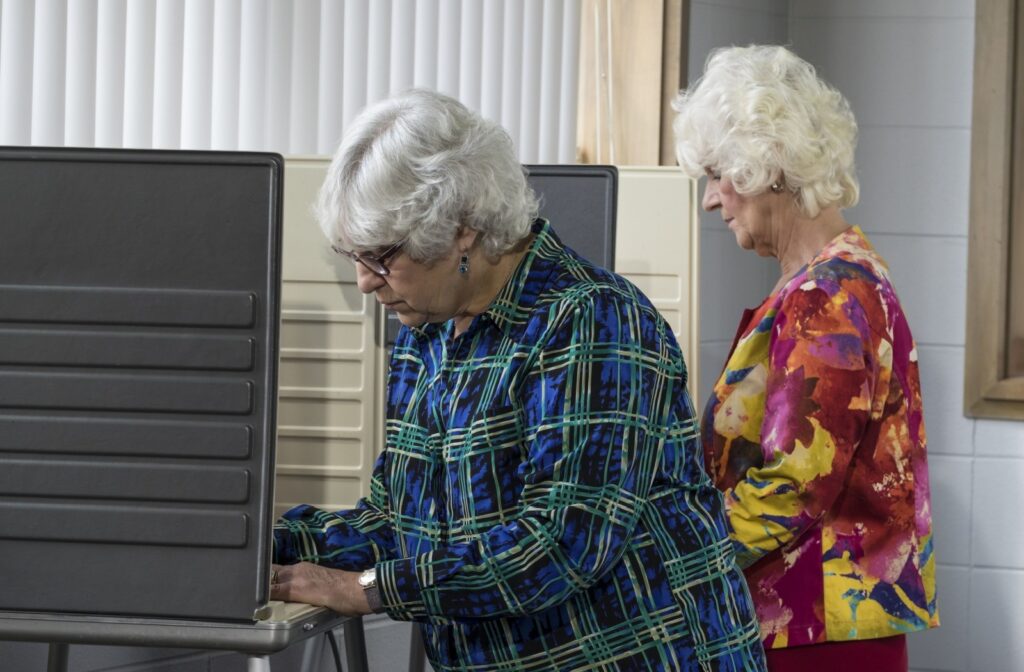
Staff can help residents with the voting process in several ways. They can assist with requesting and completing absentee ballots. Many senior living settings also host non-partisan discussions about upcoming elections as part of their regular calendar of activities and events.
These communities provide a structured routine that helps reduce confusion. This allows residents to focus on activities they enjoy, including voting. It’s all part of fostering a sense of community and well-being.
Support for Caregivers
For family caregivers, managing these tasks can add up. Options like short-term respite care can provide a much-needed break while your loved one continues to receive quality care. This ensures their daily activities and personal needs are always supported.
Planning for the Future with Your Loved One
Having conversations about preferences and values early on can make future decisions easier. By understanding what is important to your loved one, you can better advocate for them in all aspects of life. It helps to have a list of questions to ask when choosing memory care to guide these important conversations. This includes everything from healthcare choices to civic participation.
You are not alone in this journey. Many organizations provide information and support to families and caregivers navigating dementia. Consider reaching out to these helpful groups:
- The Alzheimer’s Association offers guidance on dementia and legal matters, including managing caregiver stress.
- Your local Area Agency on Aging can provide information on voting rights and assistance programs.
- Non-partisan groups like the League of Women Voters have state-specific information on voting accessibility.
A Supportive Place for the Ones You Love Most
At Inspired Living at Bonita Springs, we are dedicated to providing compassionate, personalized care in a vibrant community. We believe in fostering joy and building connections for every resident. For those who gave you their all, we are here to provide a supportive, resort-style lifestyle tailored to those you love.If you have more questions or would like to see our community, we invite you to get in touch. Contact us today to learn more about our approach to memory care or to schedule a visit. We are here to help.