
Key Takeaways
- A safe home environment with clear walkways and grab bars can help prevent falls.
- Gentle movements and simple exercises can build strength and improve stability.
- Proper nutrition and hydration are foundational to muscle health and overall balance.
- A supportive community can offer structured programs that enhance physical well-being.
Why Balance Matters in Daily Life
You may notice that maintaining stability becomes a larger focus for a loved one as they age. Communities like Inspired Living at Bonita Springs understand that good balance is tied to the ability to move freely and participate in the activities they enjoy every day. It’s a key part of their overall health and wellness and independence.
A combination of a safe environment, gentle movement, and proper nutrition can effectively support and improve a person’s balance. These proactive steps help build a strong foundation for stability, allowing your loved one to navigate their day with more ease and self-assurance.
The Importance of Stability for Seniors
Maintain Independence and Mobility
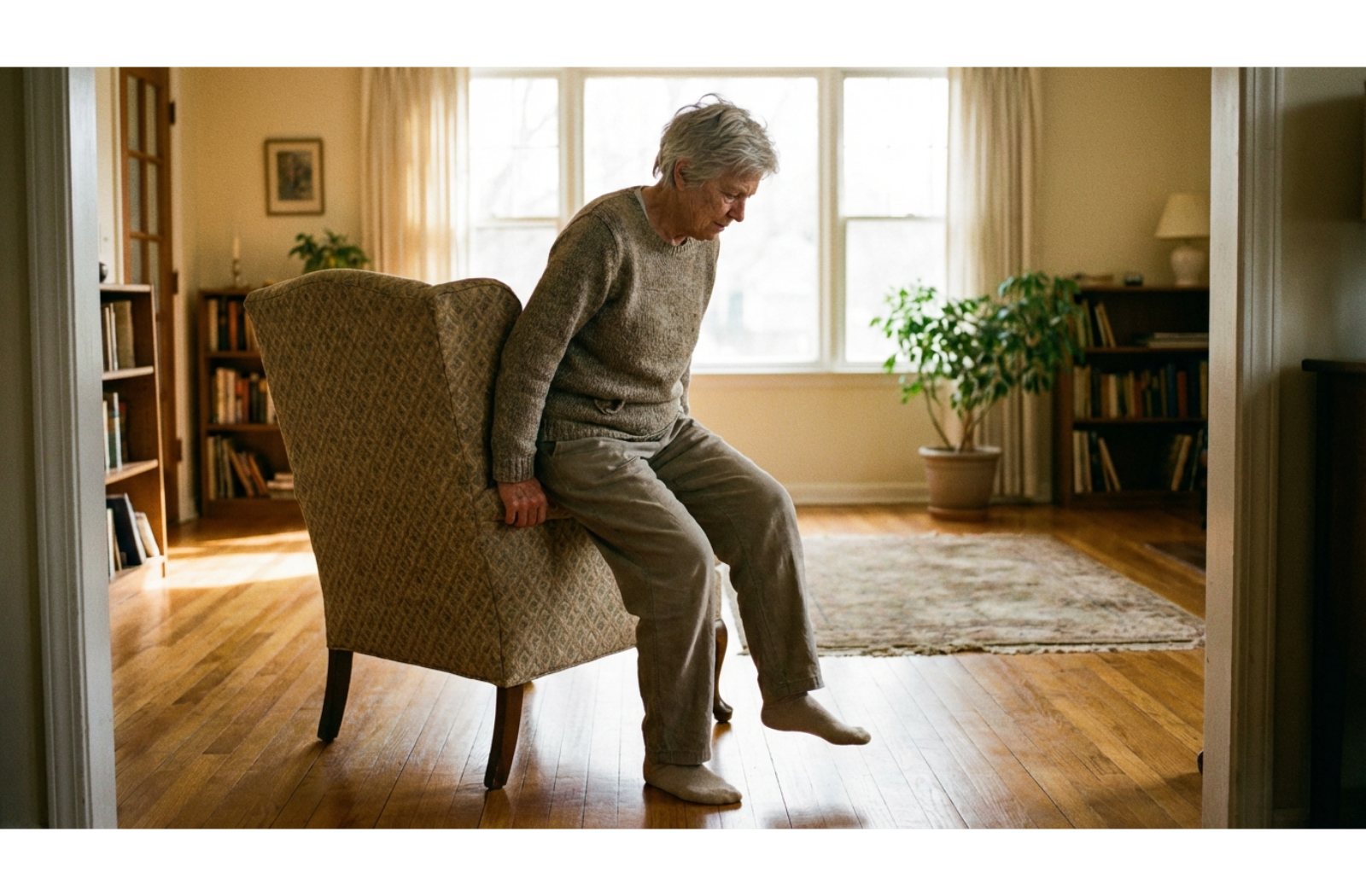
Good balance allows a person to perform daily tasks without assistance. Whether it’s walking to the mailbox, reaching for an item on a shelf, or getting up from a favorite chair, stability is what makes these simple actions possible. Learning why seniors should perform balance exercises can help them maintain a sense of autonomy.
Reduce the Risk of Falls
A steady stance can make all the difference in navigating different surfaces and spaces. When your loved one feels more stable on their feet, their sense of security grows. This reduces hesitation during movement and helps create a safer daily routine, which can be helpful in preventing falls and fractures.
Stay Active and Engaged in Life
Many hobbies and social activities require a degree of mobility. From gardening to joining friends for a walk, good balance is the ticket to participation. It helps your loved one continue to connect with their passions and the people around them.
Practical Steps to Support Stability at Home
You can make a few simple changes in the home to create a safer and more supportive environment. These adjustments can help your loved one move with more certainty and reduce potential hazards in their living space.
Create a Safe Home Environment
A few thoughtful modifications can make a significant impact. Consider these simple adjustments to clear the way for safer movement throughout the home. Reviewing different apartment and memory care floor plans can also provide ideas for accessible living spaces.
- Keep walkways clear of clutter, rugs, and electrical cords.
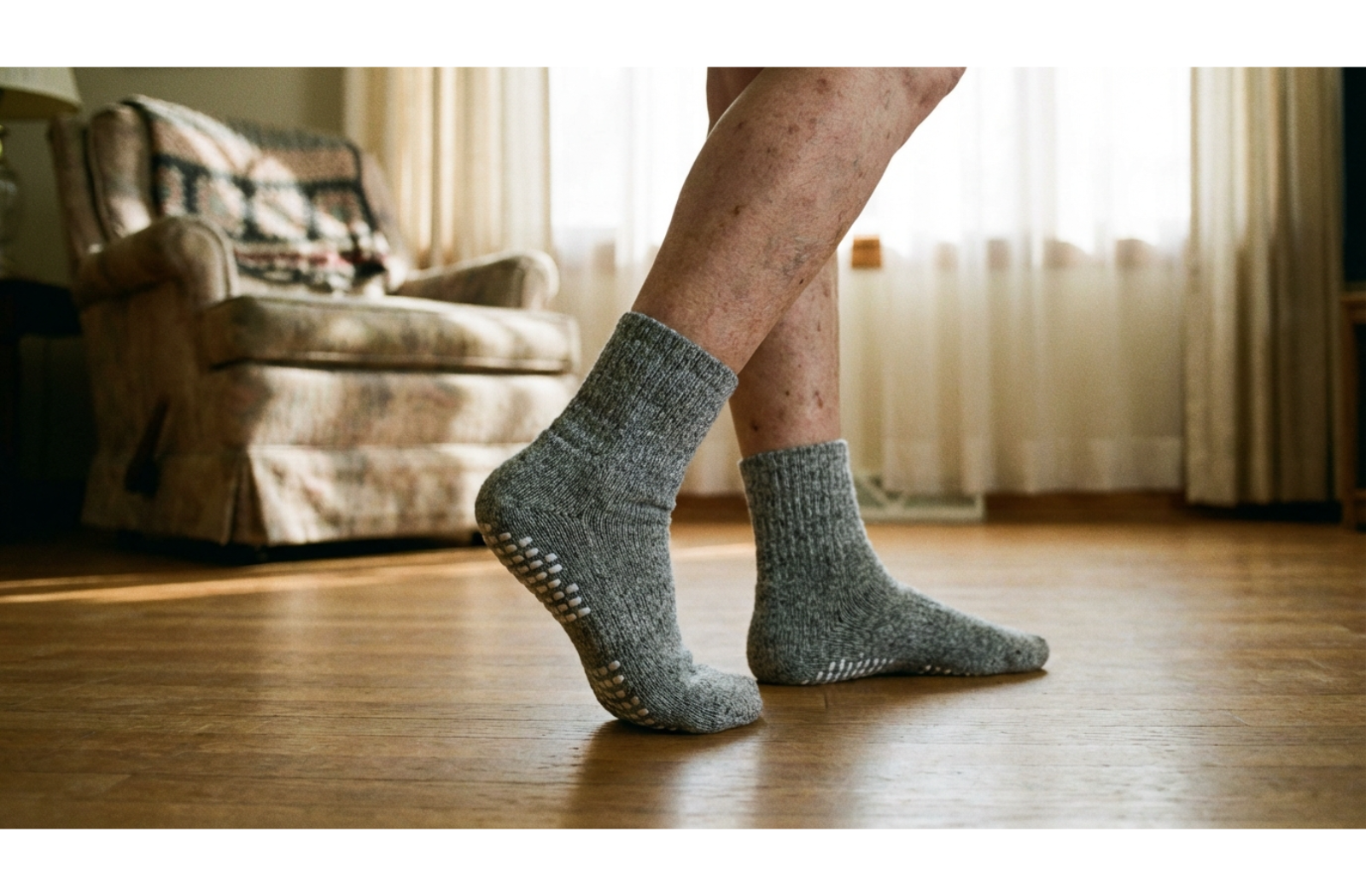
- Add non-slip mats in the bathroom, kitchen, and other areas that may get wet.
- Install grab bars near the toilet and in the shower for added support.
- Improve lighting in hallways, stairways, and entryways.
Introduce Gentle Movement and Exercise
Simple, guided movements can help build strength and improve stability over time. You can find many examples of balance exercises for older adults that are easy to incorporate into a daily routine. Always encourage your loved one to hold onto a sturdy surface like a countertop or the back of a solid chair for support during these activities.
- Chair Stands: From a seated position in a sturdy chair, practice the motion of standing up and sitting back down without using hands for support.
- Single Leg Stance: While holding onto a countertop, lift one foot off the floor for a few seconds, then switch to the other foot.
- Heel-to-Toe Walk: Walk in a straight line while placing the heel of one foot directly in front of the toes of the other, as if on a balance beam.
Review Medications and Health
You can also support your loved one by keeping an eye on their overall health. Some prescriptions can have side effects like dizziness or drowsiness, which can directly impact balance. It’s a good idea to periodically review their medications with a healthcare provider to understand any potential effects.
Don’t forget about vision and hearing. If your loved one has trouble seeing obstacles or their hearing is muffled, it can be harder for them to navigate their surroundings. Regular check-ups for their eyes and ears can help identify issues that might otherwise throw them off balance.
The Role of a Structured Community
Sometimes, a dedicated environment offers the right blend of support and engagement. A community setting provides structured opportunities to build physical strength and social connections, all within a space designed for accessibility and well-being.
Programs Designed for Physical Well-Being
Many communities offer programs like chair yoga, light strength training, or walking groups. These guided activities are designed to be both enjoyable and beneficial, helping residents improve their balance in a social and encouraging setting.
Support for Every Need
From short-term respite care stays to ongoing memory care, a community can adapt to a person’s specific needs. The focus is always on promoting their well-being through personalized attention and appropriate levels of assistance.
How Diet and Hydration Affect Balance
What your loved one eats and drinks plays a big part in their overall physical function, including their balance. A focus on nutrition supports muscle and bone health, which are the building blocks of stability.
The Connection Between Nutrition and Strength
A balanced diet rich in protein, calcium, and vitamin D helps maintain muscle mass and bone density. Strong muscles and bones are fundamental for supporting the body and keeping it steady. Simple, nutritious meals can contribute greatly to physical strength.
The Importance of Proper Hydration
Staying hydrated is also a key component of physical function. Dehydration can lead to dizziness, weakness, or lightheadedness, all of which can negatively affect a person’s balance. Following healthy eating tips and consistently drinking water throughout the day is a simple yet powerful habit.
Build a Comprehensive Approach to Stability
When you combine a safe home, gentle exercise, proper nutrition, and the right level of support, you create a strong foundation for your loved one. A well-rounded approach is often helpful in any senior living journey, as it addresses stability from multiple angles.
At Inspired Living at Bonita Springs, our team is dedicated to providing personalized care that nurtures the mind, body, and spirit. With a focus on enriching wellness programs and a supportive community, you can find a holistic lifestyle ready for you or your loved one. Schedule a tour today to learn more in person.