

Key Takeaways
- Mobility loss can increase fall risks and make everyday activities like bathing, dressing, and meal preparation more difficult.
- Reduced mobility may limit social participation, which can contribute to loneliness and decreased emotional well-being.
- Family caregivers often take on additional responsibilities as a loved one’s mobility needs become more significant.
- Assisted living communities offer accessible living spaces designed to improve safety and reduce mobility-related challenges.
- Personalized assistance with daily activities can help older adults maintain independence while receiving needed support.
- Conversations about assisted living are often more productive when families focus on safety, quality of life, and including the older adult in decisions.
Navigate Changes in a Parent’s Mobility
When an older parent can no longer walk safely or independently, families often find themselves facing difficult decisions. Concerns about safety, daily care needs, and long-term quality of life can quickly become part of everyday conversations. While these changes can feel overwhelming, there are supportive options available that can help families move forward with confidence.
The right next step depends on your parent’s unique needs, preferences, and health situation. The goal is to find a solution that helps your parent live with dignity and connection, whether at home or in a dedicated community.
How Mobility Problems Affect Older Adults
Losing the ability to walk independently can affect much more than physical movement. Mobility challenges often influence nearly every aspect of daily life, from personal care routines to social engagement and overall confidence.
Increased Fall Risks and Safety Concerns
One of the most immediate concerns associated with mobility loss is an increased risk of falls. Tasks that once felt simple, such as moving between rooms, getting out of bed, or using the bathroom, may become more difficult and potentially dangerous. Even familiar surroundings can present hazards when balance and mobility decline.
Difficulty Managing Daily Activities
Mobility limitations can make everyday activities more challenging. Dressing, bathing, preparing meals, and completing household chores may require assistance that wasn’t needed before. As these challenges grow, older adults may become increasingly dependent on family members or professional caregivers for support.
Social Isolation and Reduced Activity Levels
When getting around becomes difficult, many older adults begin participating less in activities they once enjoyed. Attending social events, visiting friends, or even leaving the house can feel like a major undertaking. Over time, reduced social interaction can lead to feelings of loneliness and disconnection, and that has serious long-term effects on a person’s well-being.
How Assisted Living Helps Seniors with Mobility Problems
As mobility challenges become more significant, many families begin looking for solutions that provide both support and independence. Assisted living communities are designed to help older adults navigate daily life more comfortably while maintaining an active and engaging lifestyle.
Accessible Living Spaces Designed for Safety
Assisted living communities are built with accessibility in mind. Features such as wide hallways, handrails, step-free entrances, and accessible bathrooms help residents move around more safely. These thoughtful design elements can reduce fall risks and create a more comfortable living environment.
Personalized Assistance with Daily Activities
Residents can receive support with activities of daily living based on their individual needs. Whether someone needs help with bathing, dressing, medication management, or mobility assistance, support is available while still encouraging as much independence as possible.
Opportunities for Social Connection and Engagement
Mobility challenges do not have to limit social opportunities. Assisted living communities offer activities, events, wellness programs, and shared dining experiences that help residents stay connected with others. These opportunities can support emotional well-being while encouraging meaningful daily engagement.
Around-the-Clock Support and Peace of Mind
Having support available throughout the day can provide reassurance for both residents and their families. Rather than worrying about managing emergencies alone, families can feel confident knowing help is readily available when needed. This added layer of support often brings valuable peace of mind during a time of transition.

How to Talk About Assisted Living with a Parent
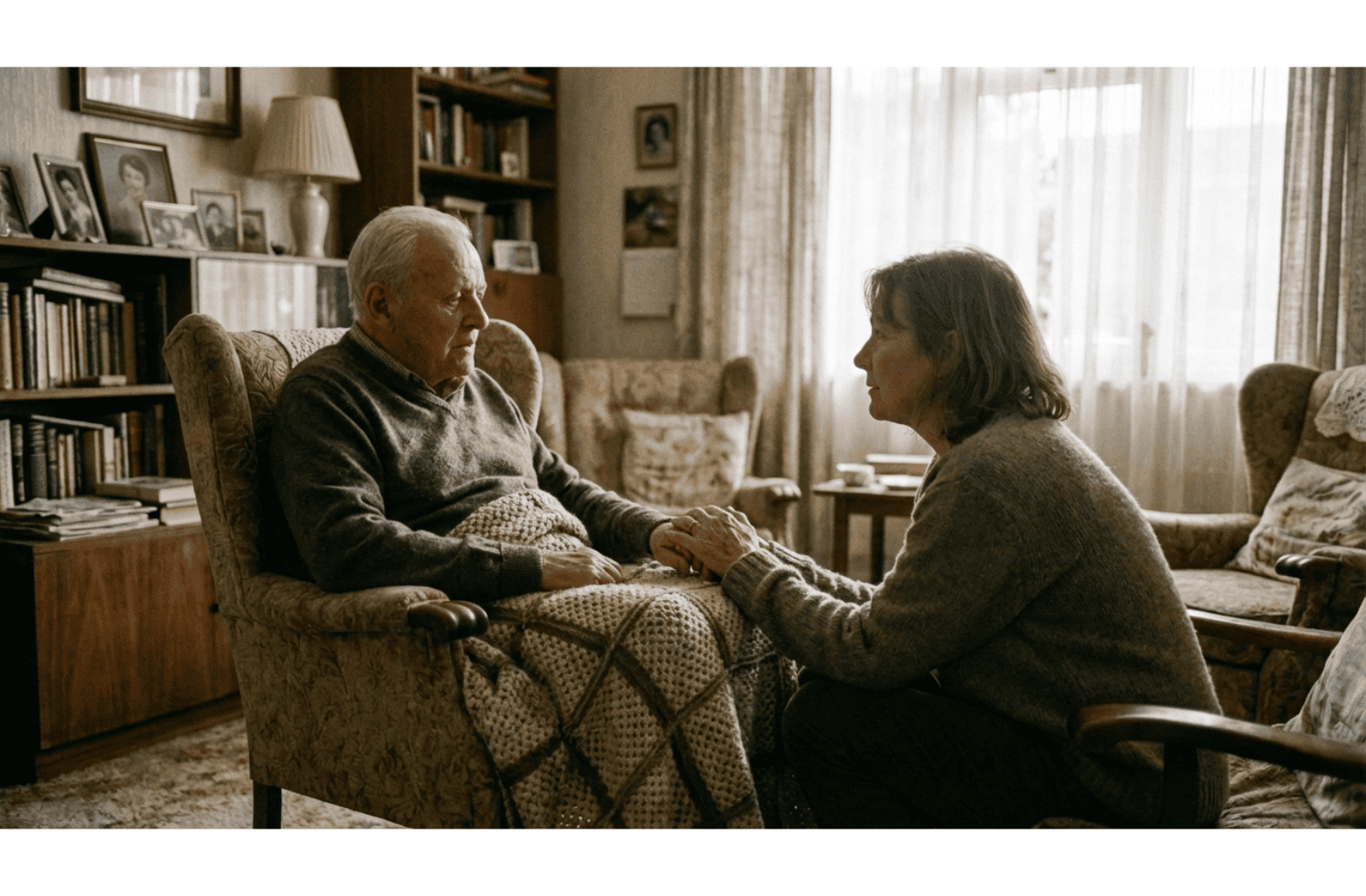
Conversations about assisted living can be emotional for both older adults and their families. Many parents worry about losing independence, while adult children may struggle with concerns about safety and care needs. Approaching the discussion with empathy and patience can help create a more productive conversation.
It helps to:
- Choose a quiet, comfortable setting for the conversation.
- Listen carefully to your parent’s concerns and priorities.
- Focus on safety, support, and quality of life rather than limitations.
- Include your parent in every step of the decision-making process.
- Discuss the benefits of having additional help available when needed.
- Visit communities together to explore options firsthand.
- Understand that multiple conversations may be necessary before making a decision.
Many families find that these discussions are most successful when approached gradually. Giving your parent time to ask questions, express concerns, and participate in decisions can help make the transition feel more comfortable and collaborative.
Find a Positive Path Forward with Inspired Living
Mobility changes can create new challenges, but they can also open the door to additional support and opportunities for connection. By understanding your parent’s needs and exploring available care options, you can help them find an environment that promotes safety, comfort, and continued engagement in daily life.
At Inspired Living at Bonita Springs, we understand that every family’s situation is unique. Our assisted living lifestyle combines personalized support, engaging experiences, and a welcoming environment designed to help residents live comfortably and confidently. Schedule a visit with Inspired Living at Bonita Springs today to learn more about assisted living support for your loved one.